

Will window film kill my houseplants? It’s a common concern for Bay Area homeowners with bright, plant-filled homes. You want to reduce heat, glare, and fading without sacrificing your indoor plants. The good news is that modern window film is designed to protect your home without harming plants.
High-quality window film from 3M will not harm houseplants. In many cases, it can actually create a more comfortable environment for them. Read on to discover what window film can do to help you care for your indoor plants.
What type of light do plants actually need?
Plants rely on visible light for photosynthesis, specifically Photosynthetically Active Radiation, or PAR. This light falls within the visible spectrum, not the ultraviolet or infrared ranges.
Modern window films focus on blocking ultraviolet radiation and infrared heat while allowing visible light to pass through. That means your plants continue to receive the light they need to grow, even after the film is installed.
Does blocking UV light affect plant growth?
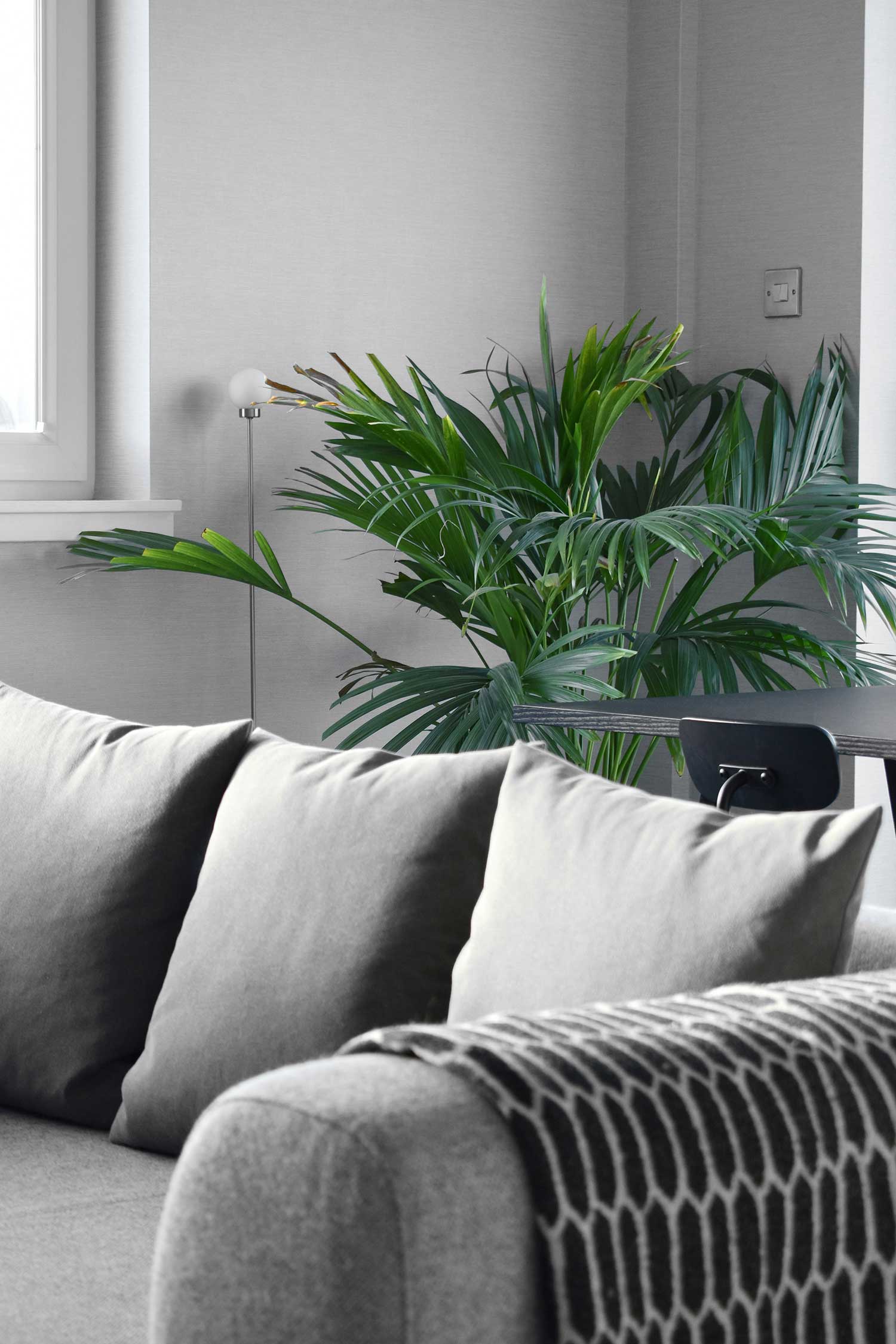
No. Ultraviolet light is not required for photosynthesis. Indoors, excessive UV exposure can stress plant leaves and cause discoloration or leaf burn, especially near south- or west-facing windows.
By filtering UV rays, window film helps create a more balanced indoor environment that supports healthier foliage while also protecting floors, furniture, and artwork from fading.
How window film changes the indoor growing environment
After installation, rooms typically feel cooler and more stable throughout the day. This reduction in heat can reduce plant stress and slow moisture loss from both the soil and the leaves.
Some homeowners notice that plants require slightly less frequent watering once heat gain is reduced. It’s a small adjustment, but one that reflects a more controlled indoor climate.
Choosing films that preserve natural light
Not all window films are the same. Older, darker films could noticeably reduce daylight. Modern high-performance options, such as the 3M Prestige Series, are designed to reject heat without darkening the glass.
These films maintain high visible light transmission, keeping rooms bright and preserving outdoor views while significantly improving comfort. For plant-friendly homes, this balance is key.
Glare control, privacy, and plant health
Glare-reducing films like 3M Prestige Series soften harsh sunlight without removing the usable light plants depend on. This improves comfort during everyday activities, such as working or watching screens, while still supporting healthy plant growth.
Decorative or frosted films offer privacy in areas like bathrooms or home offices and allow diffused natural light, which works well for many indoor plants.
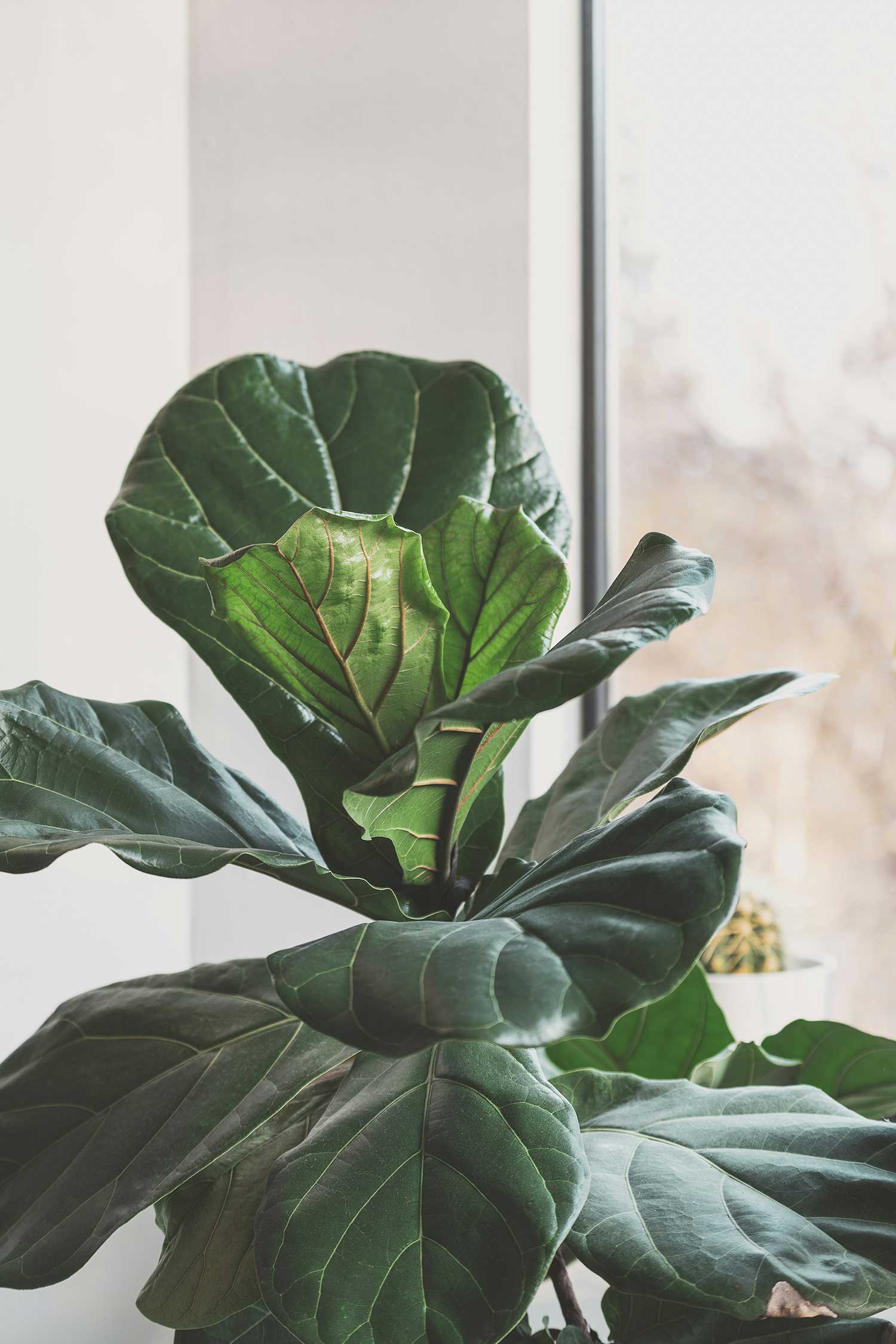
A practical solution for plant-filled homes
Modern window film doesn’t make your home darker. It makes daylight more manageable. You gain protection from heat and fading, reduce energy strain, and maintain the light conditions your plants need to thrive.
Ready to upgrade your windows with the best window film on the market? Give the Bay Area’s best-reviewed 3M Window Film installation team a call at (707) 779-7557 for a free estimate. You can also get started online for free here.
FAQ
Will window film reduce plant growth?
No. Quality window film allows visible PAR light to pass through, which is essential for photosynthesis.
Do houseplants need UV light?
They do not. Too much UV can actually damage leaves and increase plant stress.
Should plants be moved after installation?
Typically, no. Most plants adjust easily, though watering schedules may need minor changes due to cooler indoor temperatures.
Is clear film better than tinted film for plants?
Clear or high-light films are ideal when maximizing brightness is the goal. Lightly tinted films are usually suitable for most houseplants as well.
Is window film safe for valuable or sensitive plants?
Yes. Similar UV-filtering films are used in museums and galleries to protect sensitive materials.