
Absolutely! The right window film helps keep solar heat out of your Brisbane home, so rooms feel cooler, and your air conditioner works less. You’ll notice the biggest change in rooms with large windows, direct afternoon sun, or spots that get uncomfortably hot.
Brisbane’s weather is usually mild, but you will still deal with direct sunlight that can warm up your rooms. Even if it feels nice outside, sunlight can heat up your furniture, floors, and walls indoors. Solar-control window film helps by reflecting and absorbing some of the sun’s energy before it gets inside.
How Window Film Reduces Heat, Glare, and Sunlight
Windows allow sunlight and solar energy into a home. Some of that energy passes through the glass and becomes heat indoors. The effect can be especially noticeable with large windows or glass that receives direct sunlight for several hours each day.
Solar-control window film cuts down on the sun’s energy that passes through your windows. Depending on the type you choose, it can lower heat while still letting in natural light and keeping your view. It’s not just about making your windows darker. The right film can make sunny rooms more comfortable, so you don’t have to keep the blinds closed all day.
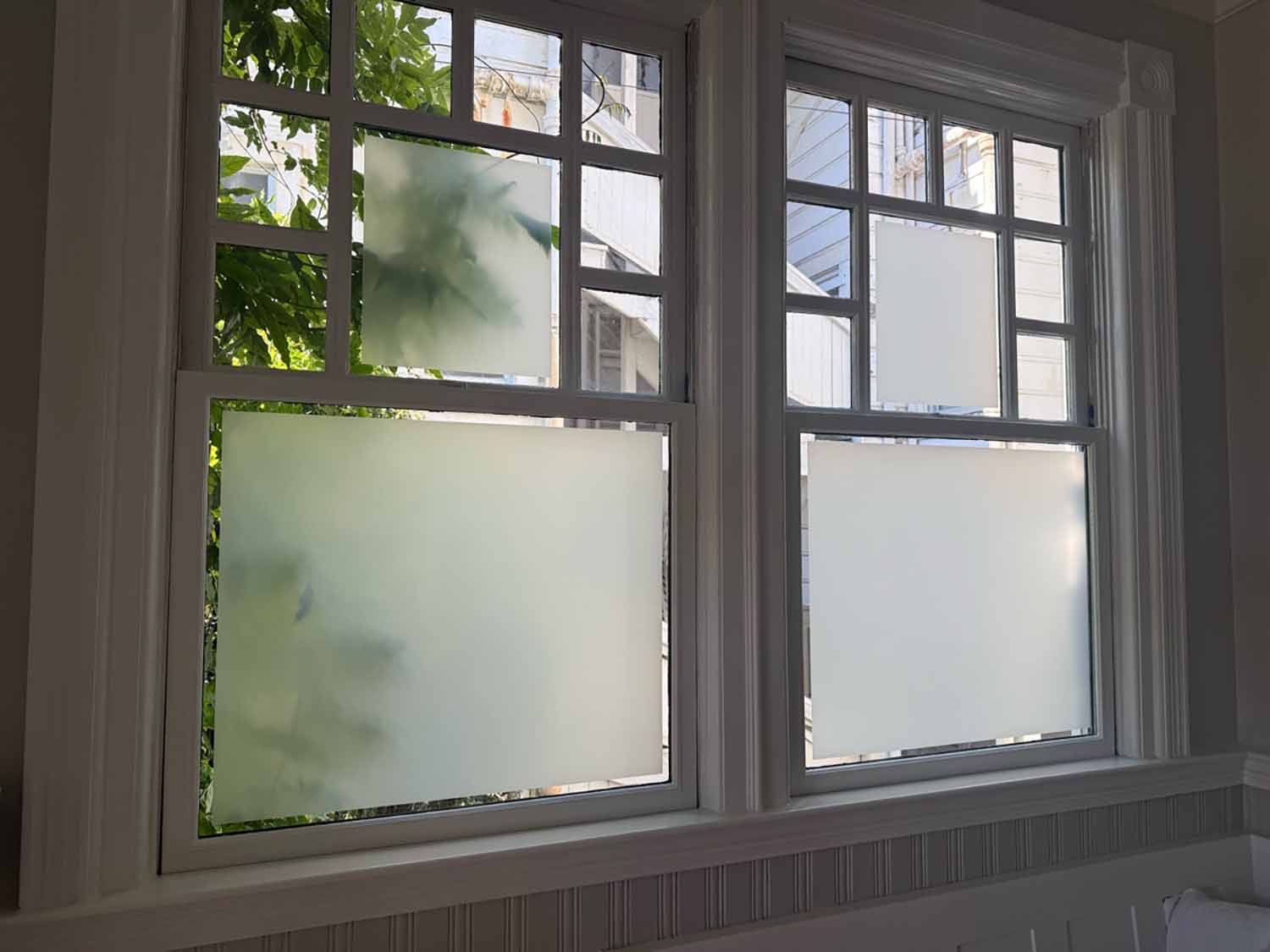
Glare is another issue. Bright sunlight can make it hard to see your TV or computer screen, and often leads people to close their curtains or shades during the brightest hours. Window film can cut glare while letting you keep more natural light and your view compared to regular window coverings.
This is especially helpful for east- and west-facing windows. Morning sun can cause glare and heat, and afternoon sun can make rooms even warmer when the house is already heating up.
Can Window Film Protect Your Home From UV Rays and Fading?
Heat isn’t the only reason to use window film. Sunlight can also harm your belongings inside the house. Quality residential window films can block approximately 99% of UV radiation. UV exposure is one of the factors that contributes to fading and deterioration of hardwood floors, furniture, artwork, rugs, photographs, and window treatments. Window film cannot prevent fading completely, but reducing UV exposure and other portions of solar radiation can slow the process.
Additionally, window film is helpful even in rooms where temperature isn’t a big issue. You might want to protect a valuable hardwood floor or a favorite piece of furniture near a sunny window, even if the room feels comfortable.
Can Window Film Reduce Hot Spots?
Yes. Hot spots are a common problem from direct sunlight. Your home might feel comfortable overall, but a living room, bedroom, office, or spot near a big window can get much warmer than the rest. Window film lets you fix those problem windows without changing the whole house. The idea is to cut down the sun’s heat coming through the glass, so the room stays comfortable, and your air conditioner doesn’t have to work as hard.
How much window film helps depends on your glass, window direction, size, shading, the film you pick, and how much sun you get. It’s not a substitute for insulation or a good HVAC system, but it can tackle a big source of heat from the sun.
Can Window Film Reduce Air Conditioning Use?
Window film can lower the amount of heat your air conditioner has to handle. When less sun gets in through the windows, your cooling system doesn’t have to work as hard to keep things comfortable. Needs vary from one home to another. Insulation, HVAC efficiency, window area, orientation, exterior shading, thermostat settings, and weather all affect cooling demand.
For most homeowners, comfort is the biggest benefit. If a room always gets too warm in the afternoon, blocking some of the sun’s heat with window film can make it easier to keep that space comfortable without having to cool the whole house more.
A Brisbane Home Gets More Solar Control Without Replacing Its Windows
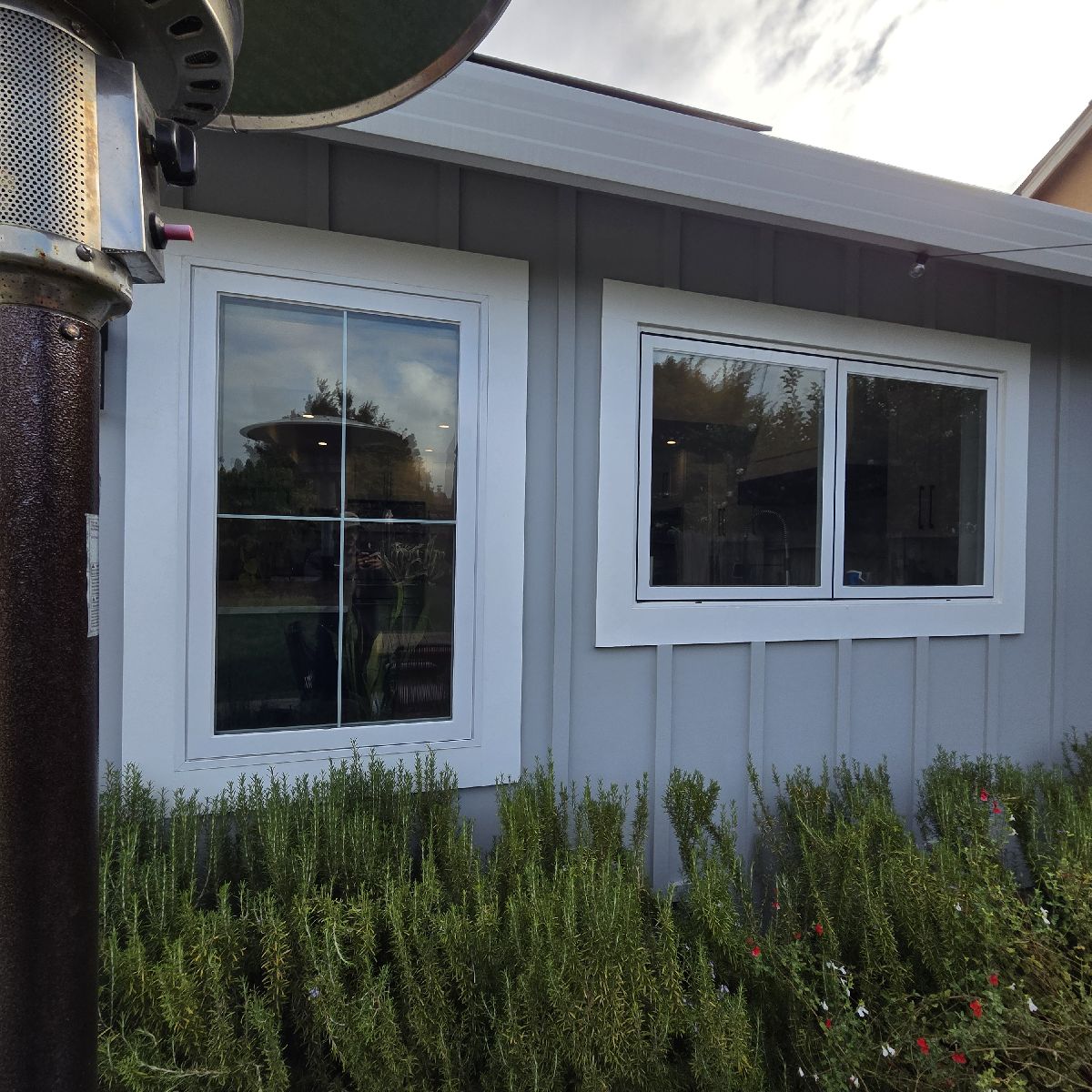
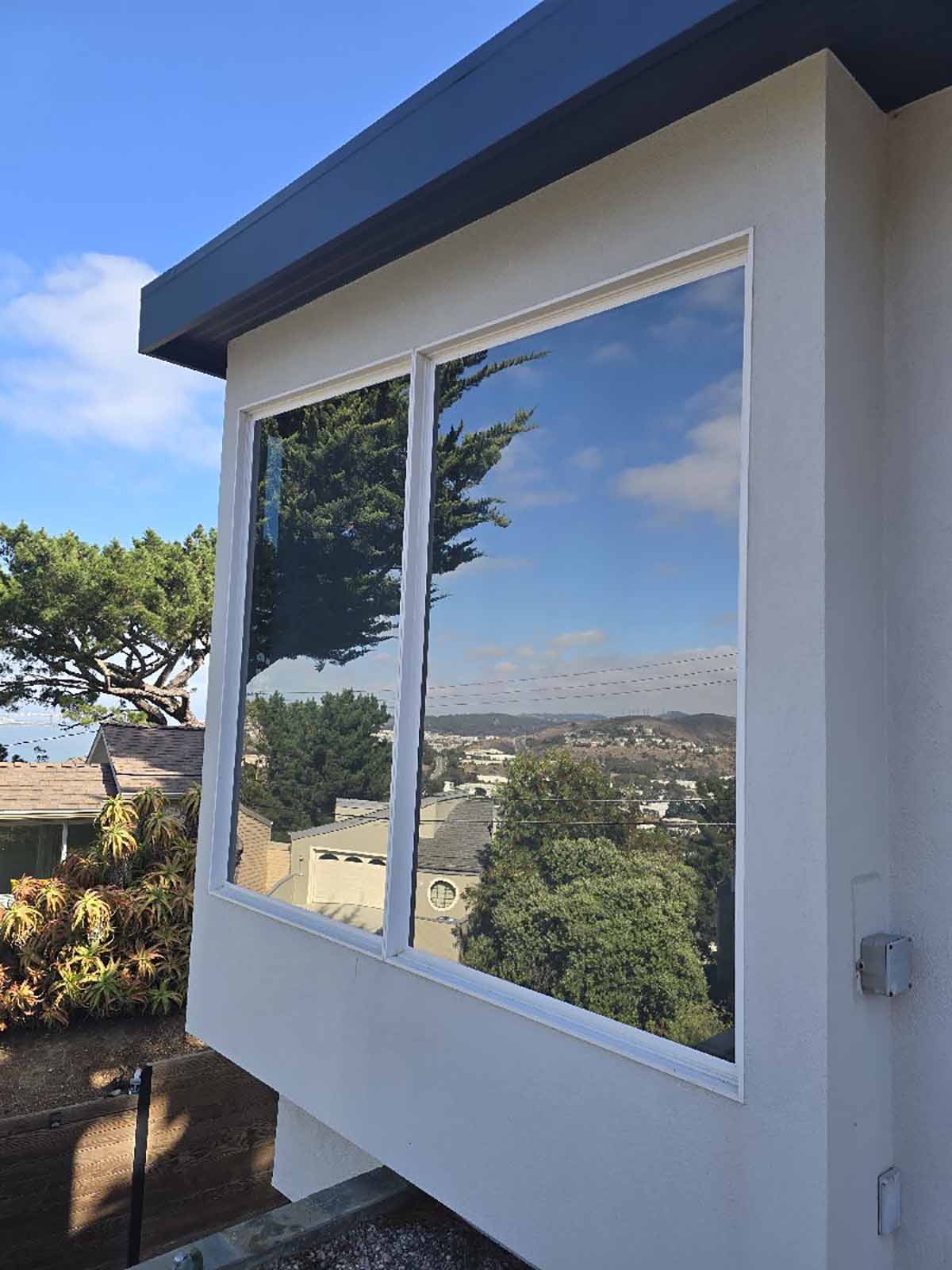
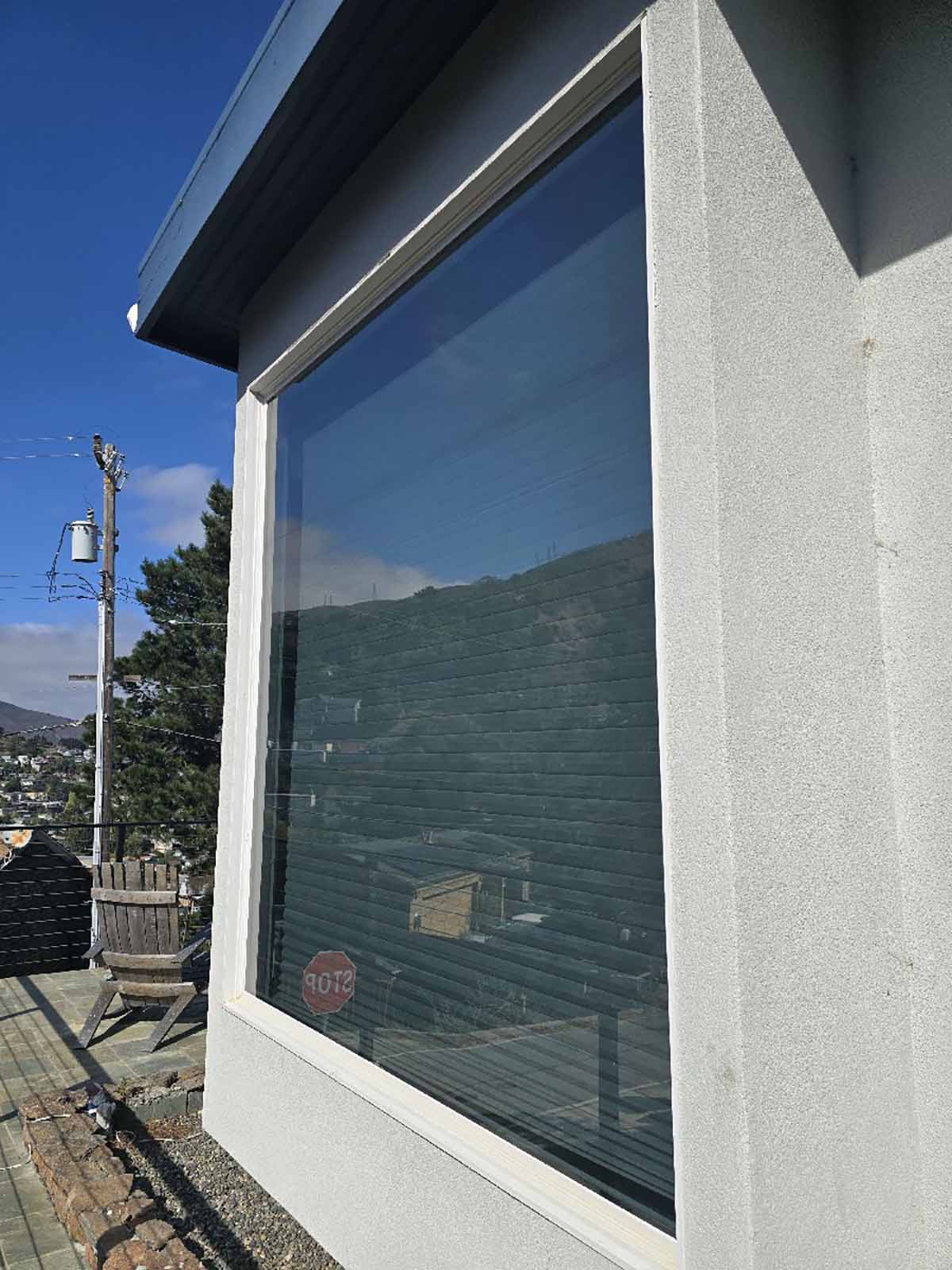
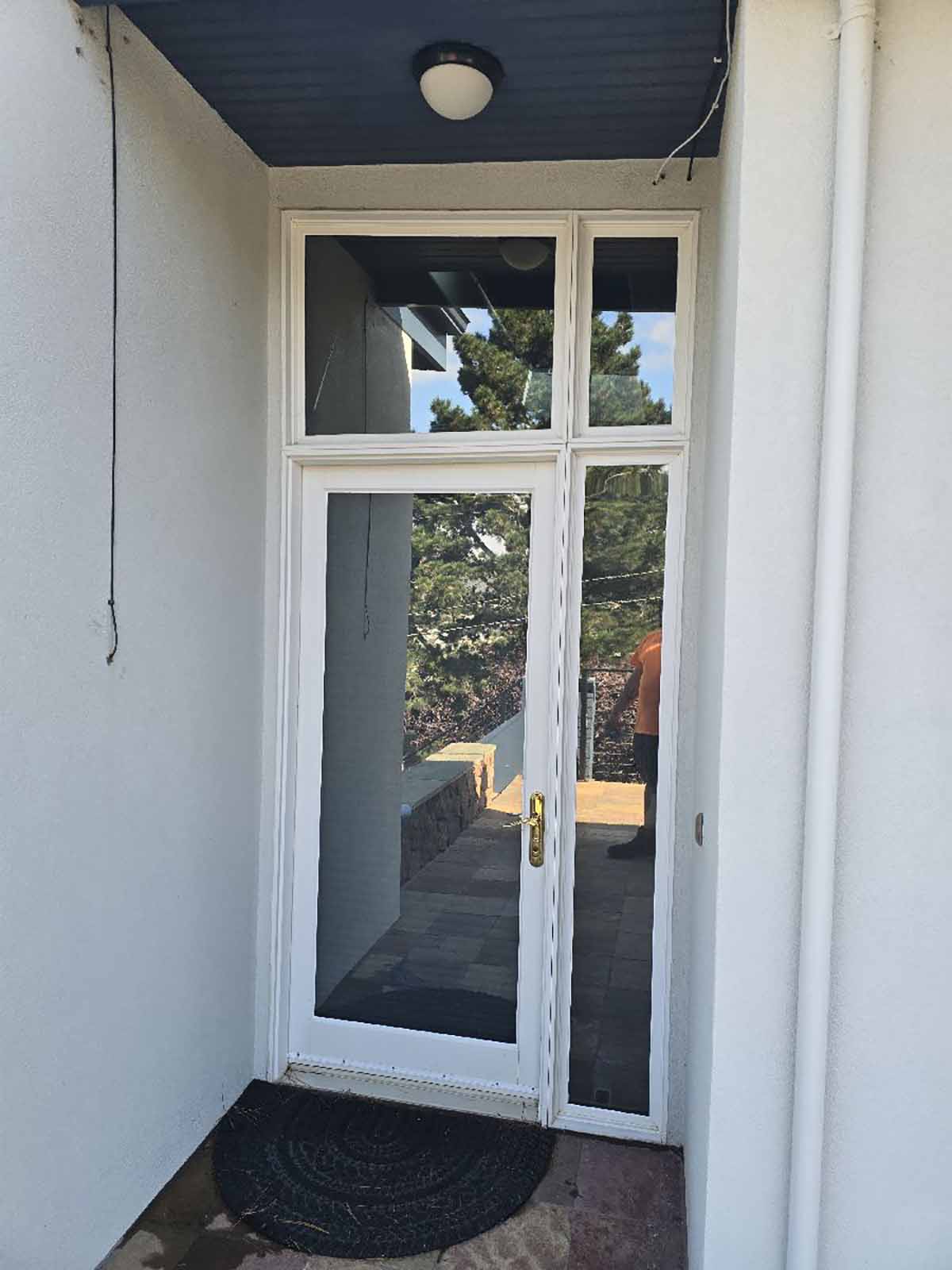
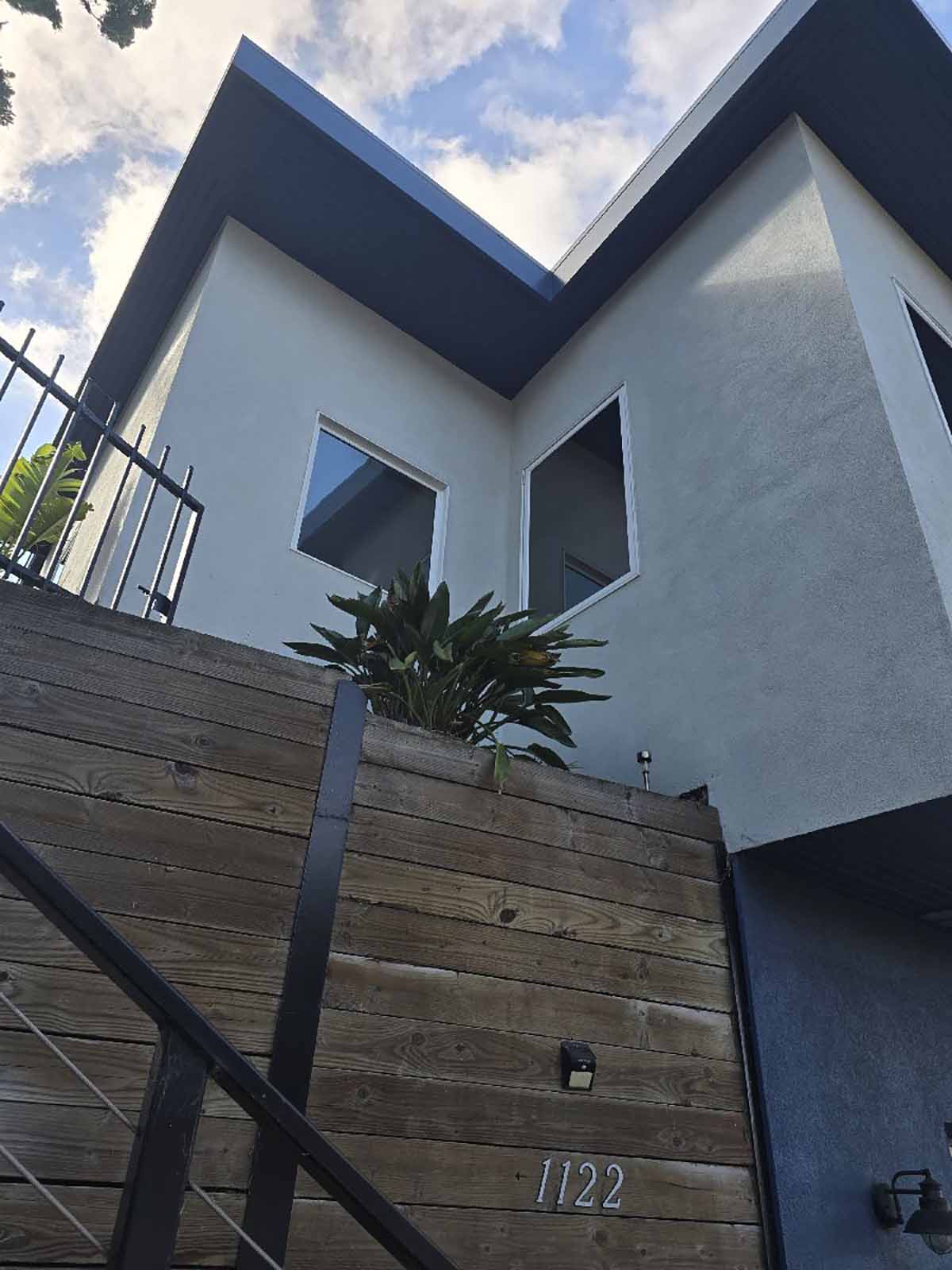
A recent project in Brisbane shows how window film can help reduce sun exposure across a property. This home had windows and doors on every side, plus a skylight and extra glass upstairs. Sunlight reached different parts of the house throughout the day, causing heat, glare, and UV exposure from many directions.
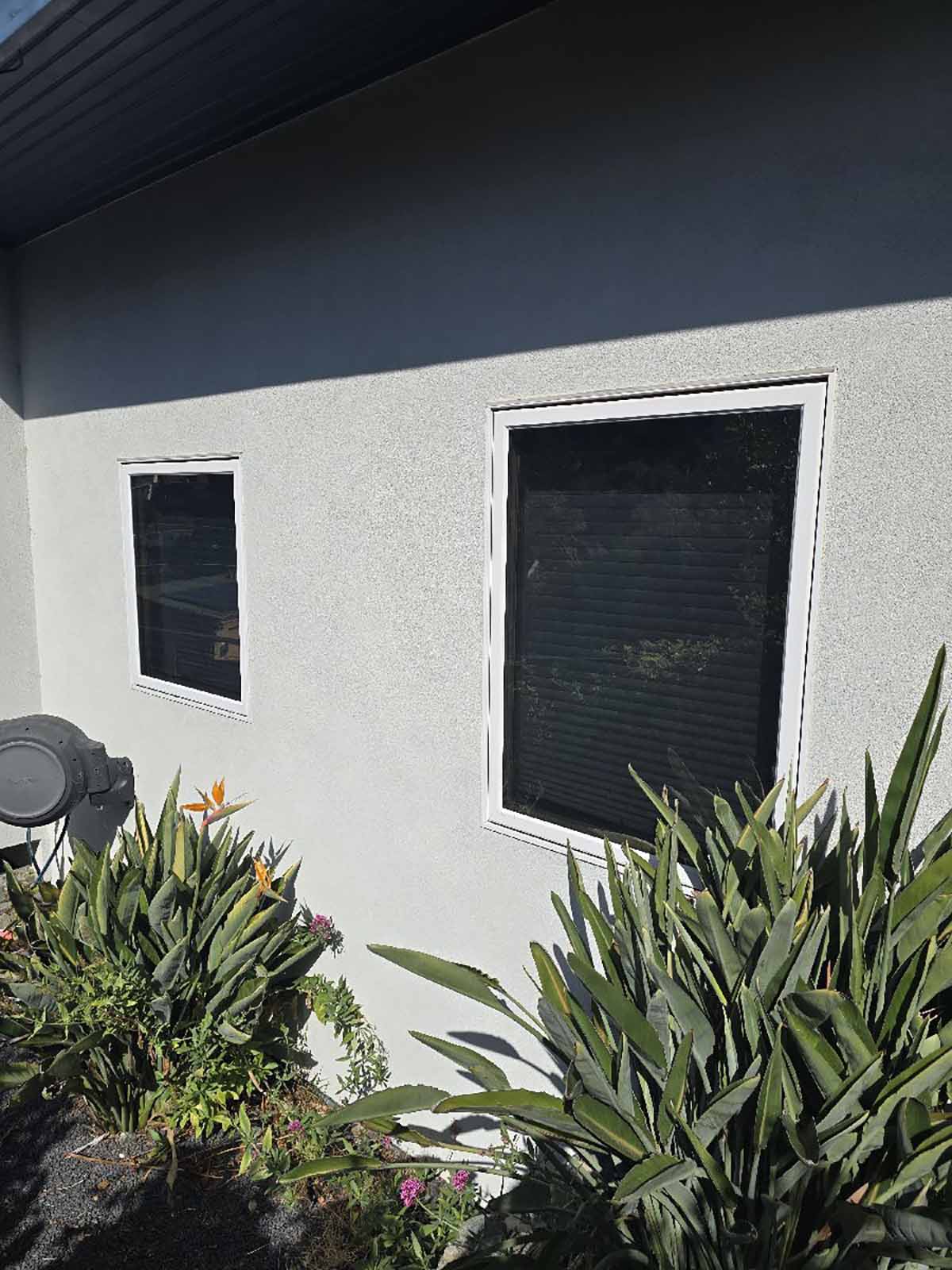
ClimatePro installed exterior solar-control window film on 24 panes of windows and doors across the north, west, east, and south walls. The project included one skylight and six additional panes on the upper house, for a total of 31 panes treated.
By installing the film on the outside, the homeowners upgraded their glass without needing new windows. They used it on big windows, entry doors, smaller windows, the skylight, and upstairs glass. The result kept their views and gave them better solar control throughout the house.
The goal wasn’t simply to darken the windows. The film we suggested for this project helps cut solar heat, reduce glare, block UV rays, and protect furniture and finishes from too much sun. It’s a practical way to boost your windows’ performance without the hassle and cost of replacing them.
What Type of Window Film Is Right for a Brisbane Home?
There isn’t one film that works for every window. The best option depends on what problem you want to fix. Do you have a room that gets very hot in the afternoon? If so, you’ll want a film that blocks a lot of solar heat. If glare is the main issue, you might need a film that balances glare control with letting in enough light.
If you have valuable furniture near sunny windows, focus on UV protection and solar control. Window orientation, glass type, window size, existing coatings, interior finishes, and the amount of natural light should all be considered before selecting a film. Professional installation also helps ensure that the film is appropriate for the existing glass.
Is Window Film Worth It for a Brisbane Home?
For many Brisbane homes, yes. Window film can cut the sun’s heat, glare, and UV rays without the need to replace good windows. It makes sunny rooms more comfortable, reduces hot spots, helps protect your furniture, and lets you keep your views without having to close the blinds all day.
The important thing is to pick the right film for your needs. This is where ClimatePro comes in. ClimatePro offers many types of window films and can help you choose the right one, based on your needs. With 45+ years of experience and thousands of homes transformed, we can help you create a more comfortable home. Get a free estimate by calling 707.755.7337 or get started online here. With just a few questions, you’ll be on your way to a better home in Brisbane.
Frequently Asked Questions About Window Film in Brisbane, CA
Does window film really keep a house cooler?
Yes. Solar-control window film reduces the amount of solar energy transmitted through the glass. Less solar energy entering the room means less heat for the air conditioning system to remove.
What is the best window film for reducing heat?
The best film depends on the glass, window orientation, amount of sunlight, and desired appearance. Films designed for strong solar heat rejection are generally the best choice when cooling is the primary goal.
Can window film reduce air conditioning costs?
It can reduce the solar heat load placed on an air conditioning system. Actual energy savings depend on the home’s windows, insulation, HVAC system, orientation, weather, and amount of direct sunlight.
Which windows benefit most from window film?
Focus on windows that receive prolonged direct sunlight. Large east- and west-facing windows can be particularly challenging because they receive strong, low-angle sunlight.
Can window film reduce afternoon heat?
Yes. A properly selected solar-control film can reduce the solar energy entering through windows during the afternoon. West-facing windows are often good candidates for this type of treatment.
Can window film reduce glare?
Yes. Window film can reduce the sun’s intensity. By adding window film, you can make television and computer screens easier to see. The amount of glare reduction depends on the film’s visible light transmission.
Does window film block UV rays?
Many architectural films block approximately 99% of UV radiation. The exact performance varies by product, so the manufacturer’s specifications should be checked for the film being installed.
Can window film prevent furniture and flooring from fading?
Definitely. Window film can help slow fading by reducing UV and sun exposure. Window film cannot stop fading completely, but it can greatly reduce the impact of the sun. Visible light, heat, and the characteristics of individual materials contribute to color changes over time.
Can window film reduce hot spots?
Yes. Treating windows that receive direct sunlight can reduce the solar heat entering a particular room or area. This can help make temperatures more consistent throughout the home.
Will window film make my house too dark?
Not necessarily. Films are available with different levels of visible light transmission. A lighter film can provide solar and UV protection while maintaining a bright appearance, while darker films provide greater glare and light reduction.
Does window film block the view?
Most solar-control films are designed to maintain the view. The appearance depends on the film selected, and some reflective or darker products will change the glass’s appearance more than lighter films.
Can window film be installed on double-pane windows?
Many window films are compatible with double-pane glass, but compatibility should be confirmed before installation. A skilled estimator can determine the right film for your windows. The type of glass, existing coatings, and window construction all matter.
Can window film be installed without replacing the windows?
Yes. Window film is a retrofit solution that can improve the solar-control and UV performance of existing glass without removing the window.
How long does residential window film last?
Service life varies by product, glass, exposure, installation conditions, and manufacturer. Quality window films are designed for long-term use and typically include product-specific warranties.
How much does residential window film cost in Brisbane?
Pricing depends on the number and size of windows, film selected, type of glass, access, and installation conditions. A professional assessment is the best way to determine the cost of a particular project.
Is window film better than blinds for heat control?
They serve different purposes. Blinds can block sunlight and provide privacy, but they also block the view and natural light. Window film can reduce solar heat and glare while leaving the windows uncovered. Many homeowners use both.
Does window film work when Brisbane’s weather is cool?
Yes. The sun can still create heat and glare, even when outdoor temperatures are mild. In Brisbane’s coastal climate, solar control may be more about reducing heat, glare, and UV exposure than reducing whole-house temperatures.
Does window film replace insulation or good windows?
No. Window film’s main strength is its ability to reduce the amount of sun coming through your windows. Insulation, air sealing, window construction, exterior shading, and HVAC efficiency address other sources of heat gain and loss. Window film can complement these improvements rather than replace them.