
For homeowners and commercial property managers across the San Francisco Bay Area, security screens offer a way to protect doors and windows without sacrificing airflow, visibility, or aesthetics. Two of the most recognized systems are Crimsafe and Invisigard. Both meet Australian Standard AS5039/5041 for security screens, but they differ in how they achieve that performance. Those differences matter in real-world protection.
How Crimsafe and Invisigard Secure the Mesh to the Frame
The biggest difference between these systems is how the stainless steel mesh is fixed into the frame. Crimsafe uses a patented Screw-Clamp™ system with tamper-resistant screws that clamp the mesh deep into the frame. This creates a continuous mechanical bond and allows impact force to be distributed across the entire screen.
Invisigard uses its Extreme Grip Protection (EGP) system, which secures the mesh using a pressure-fit PVC wedge. This eliminates visible screws and creates a clean finish, but the system relies more on localized strength. In testing, how force is distributed plays a major role in how well a screen resists repeated impact.
Advantage: Crimsafe – better force distribution and frame retention under impact
Strength, Impact Resistance, and Real-World Performance
Both Crimsafe and Invisigard exceed required security standards, but they are engineered to different performance levels. Crimsafe screens have been tested to withstand impacts up to 550 joules (more than 12 times the Australian standard requirement), demonstrating strong resistance to forced entry attempts and repeated impacts.
Invisigard screens also exceed standards, with testing around 450 joules (approximately 10 times the requirement). While this is still a high level of performance, it reflects a slightly lower threshold under extreme force compared to Crimsafe. For Bay Area properties where ground-level access points are a concern, this difference can be meaningful.
Advantage: Crimsafe – higher impact resistance and better performance under repeated force
Mesh Material and Coastal Considerations in the Bay Area
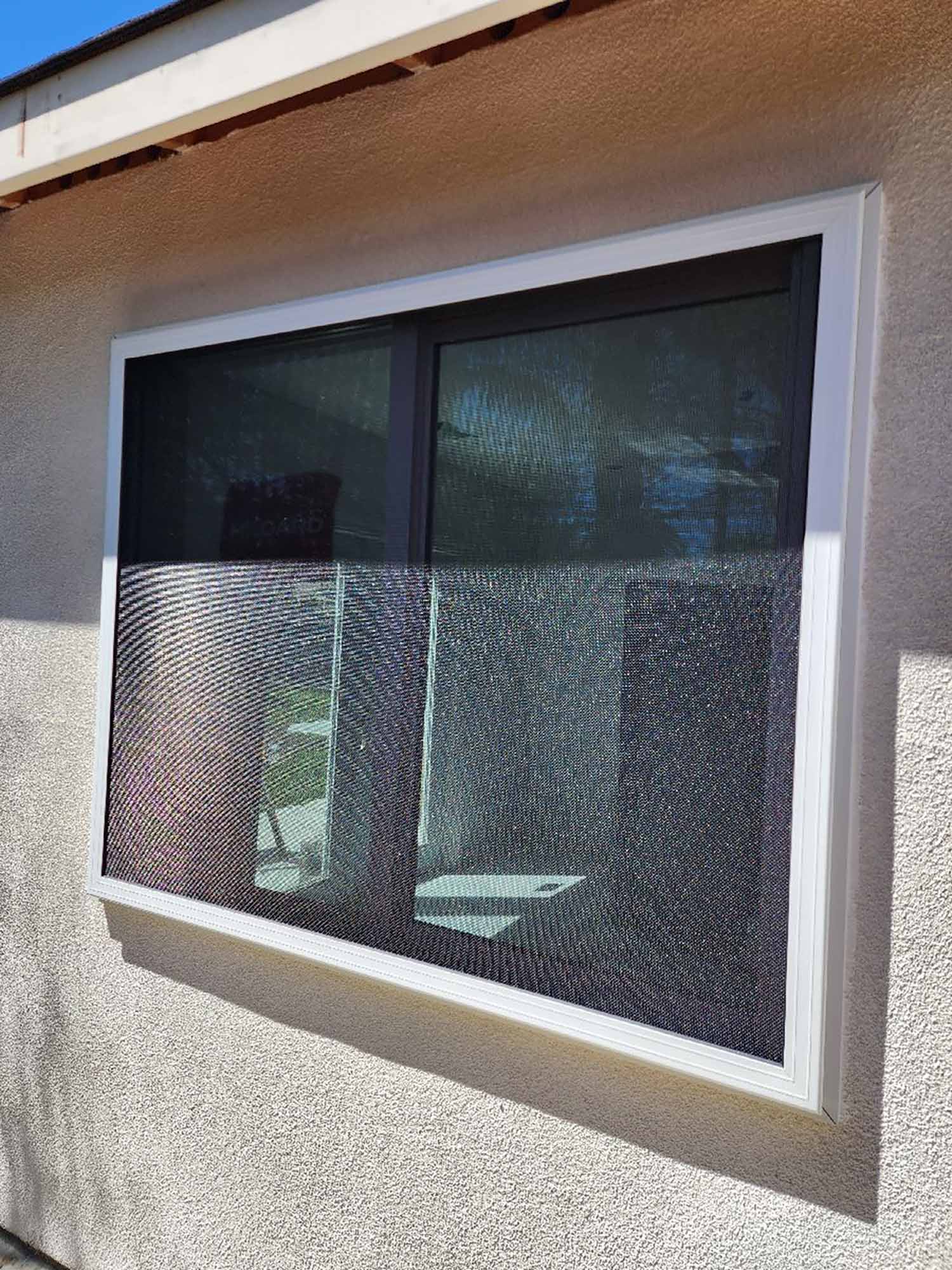
Material composition is another key distinction. Crimsafe uses a 0.9mm 304-grade stainless steel mesh, which is thicker and designed for tensile strength and flexibility under impact. Invisigard uses a 0.8mm 316-grade stainless steel mesh, which offers higher corrosion resistance, particularly in salt-heavy coastal environments.
For homes in coastal areas like Half Moon Bay, Pacifica, or Sausalito, 316-grade stainless steel can offer added protection against corrosion over time. For inland areas such as San Jose, Walnut Creek, or much of Oakland, the thicker mesh and added strength of Crimsafe are often the more relevant factors.
Advantage: Split – Invisigard for corrosion resistance near the coast; Crimsafe for strength and durability inland
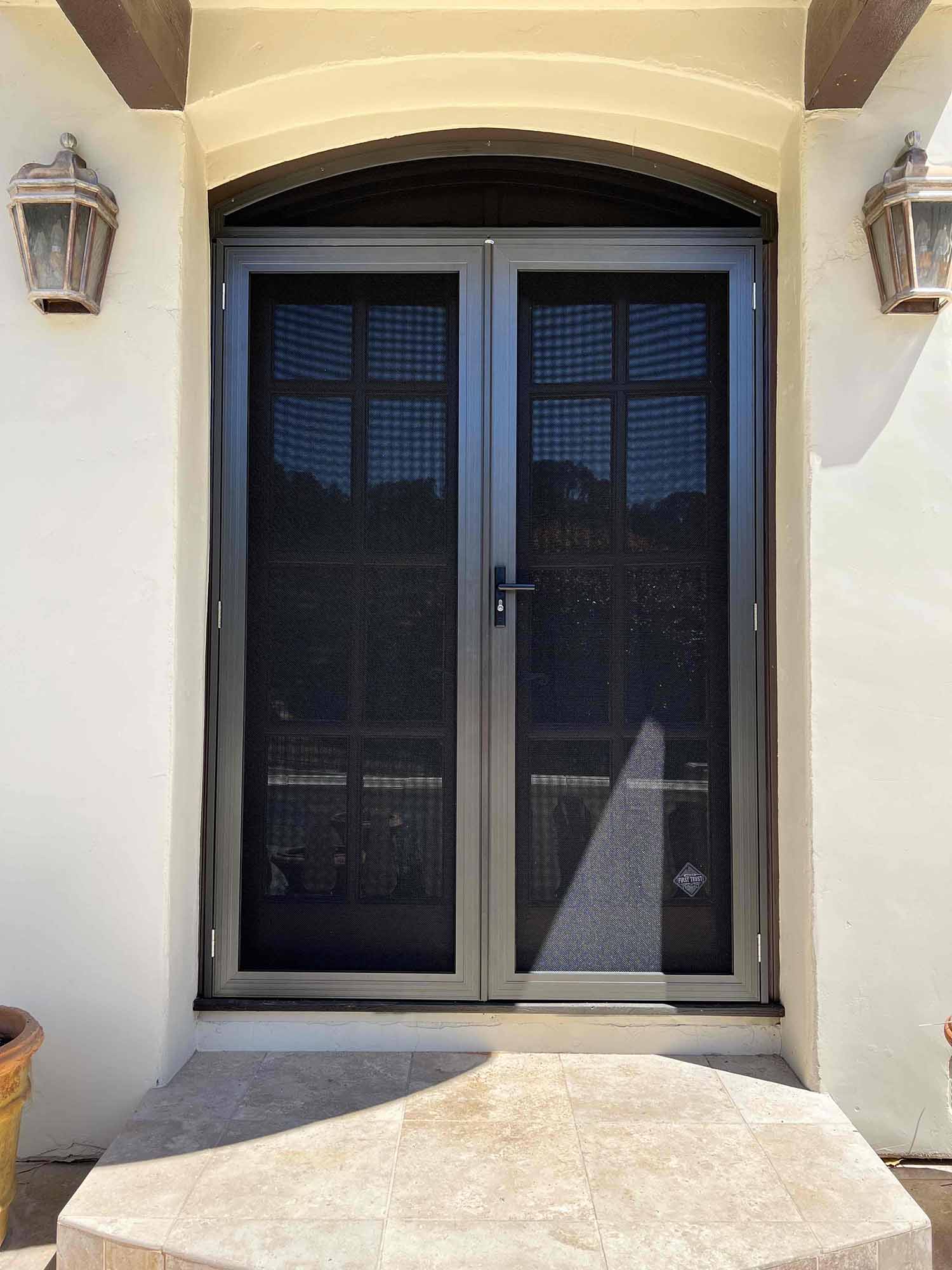
Design, Appearance, and Product Options
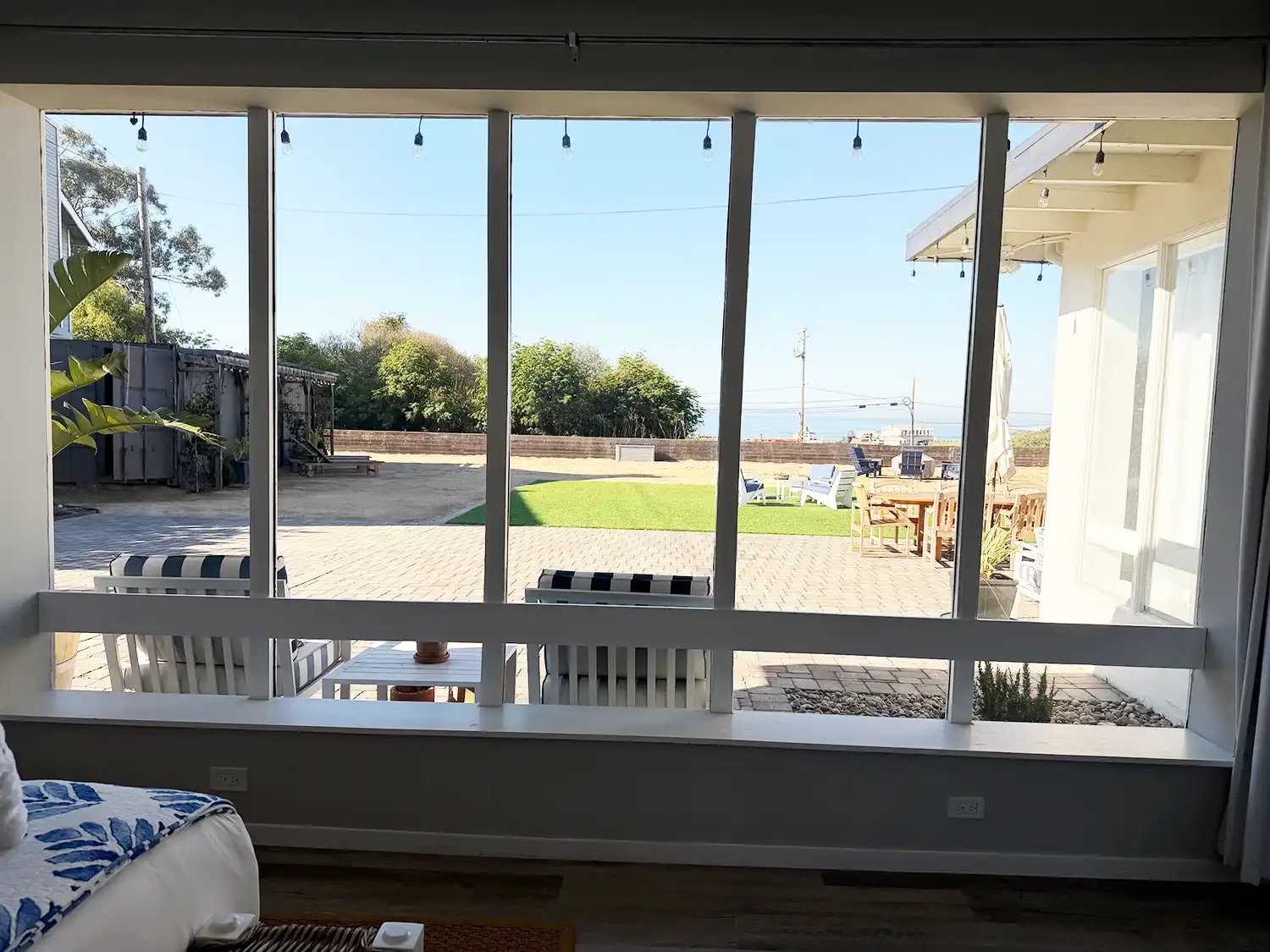
Both systems are designed to maintain a modern appearance while allowing airflow and visibility. Invisigard’s screw-free design creates a sleek, minimal look with no visible fasteners, which appeals to some homeowners.
Crimsafe, on the other hand, offers a broader range of products and configurations, including heavy-duty options and advanced locking systems. This flexibility makes it easier to tailor solutions for larger openings, sliding doors, and commercial applications where higher security is required.
Advantage: Crimsafe – more product options and flexibility (Invisigard leads in minimal appearance)
Choosing the Right Security Screen for Your Property
For Bay Area homes and businesses, the decision often comes down to performance priorities. Both systems meet security standards and provide a strong upgrade over traditional screens. However, Crimsafe is engineered for higher impact resistance, stronger force distribution, and greater overall durability under stress.
Invisigard remains a strong option in coastal environments or projects where a cleaner, screw-free appearance is a priority. For most applications where security is the primary concern, Crimsafe offers a higher level of protection.
For most Bay Area homeowners and commercial properties, Crimsafe stands out for its higher impact resistance and ability to handle real-world force. When professionally installed by ClimatePro, it provides a strong, long-term solution for securing doors and windows without compromising airflow or appearance.
If you’re considering security screens, ClimatePro is the San Francisco Bay Area’s best and most experienced Crimsafe installation team. For a free estimate, call 707.755.7337 or get started online here.
See our gallery of Crimsafe installations here.
Crimsafe vs. Invisigard Comparison
| Feature | Crimsafe | Invisigard | Advantage |
|---|---|---|---|
| Mesh Attachment | Screw-Clamp™ system with tamper-resistant screws | EGP wedge system (no screws) | Crimsafe – better force distribution |
| Impact Resistance | Tested up to ~550 joules (~12x standard) | Tested up to ~450 joules (~10x standard) | Crimsafe – higher impact resistance |
| Security Standard | Exceeds AS5039/5041 | Exceeds AS5039/5041 | Tie – both exceed standards |
| Mesh Thickness | 0.9mm stainless steel | 0.8mm stainless steel | Crimsafe – thicker, stronger mesh |
| Mesh Material | 304-grade stainless steel | 316-grade stainless steel | Invisigard – better corrosion resistance |
| Corrosion Resistance | High | Higher (ideal for coastal areas) | Invisigard – better for coastal environments |
| Appearance | Clean with visible fasteners | Sleek, screw-free design | Invisigard – more minimal look |
| Product Range | Wider range, more configurations | More limited selection | Crimsafe – greater flexibility |
| Best Use Case | Maximum security and impact resistance | Coastal properties and design-focused installs | Crimsafe – stronger overall security |