
The rising cost of energy in the Bay Area
If your energy bills have been noticeably higher lately, you’re not imagining it. Rising natural gas prices have driven up the cost of generating electricity across the country — and California is bearing more of that burden than almost anywhere else. Natural gas still fuels roughly 42% of California’s electricity grid, which means that when gas prices spike, every kilowatt-hour you use gets more expensive.
The result is hard to ignore. While the national average residential electricity rate sits around 18¢/kWh, Bay Area residents are paying far more. PG&E’s rate averages around 31¢/kWh, and real-world bills in San Francisco often top 43¢/kWh — more than double the national average. For businesses managing large commercial spaces, those costs compound quickly.
43¢Per kWh in San Francisco (March 2026) |
2×Higher than the U.S. national average |
+8.9%California rate increase,2025–2026 |
Analysts project California rates could continue rising by 5–7% per year through the next decade, driven by grid modernization, wildfire-mitigation infrastructure, and growing electricity demand from data centers and EV charging. For Bay Area property owners — residential and commercial alike — waiting is not a winning strategy. The good news: there are meaningful steps you can take right now.
Stop The Heat Before It Starts: 3M Sun Control Window Film
One of the most overlooked drivers of high cooling costs is solar heat pouring through windows. An estimated 33% of a building’s cooling costs are attributable to solar heat gain through glass. In the Bay Area, where warm, sunny days persist well into fall, that’s a major contributor to swollen air conditioning bills.
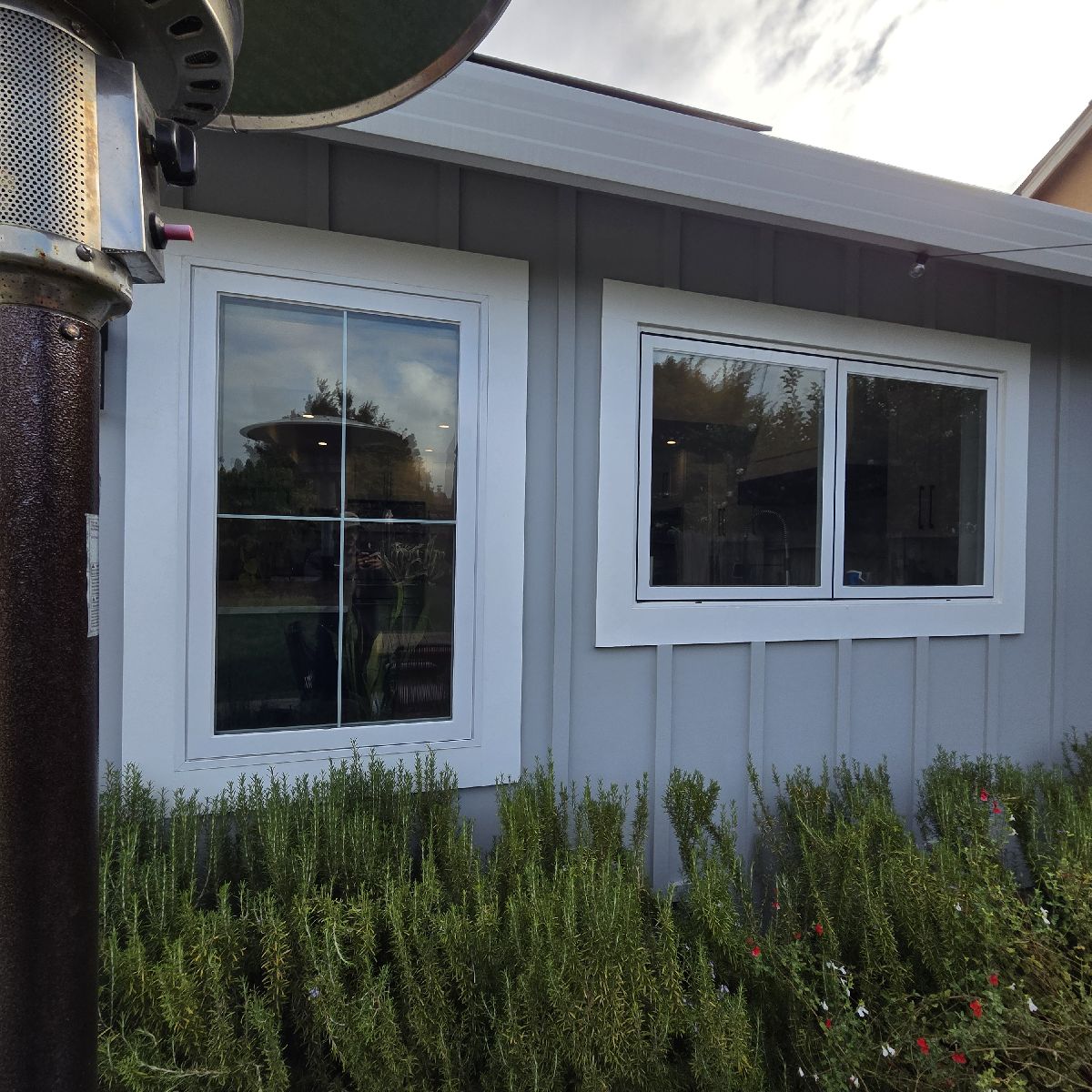
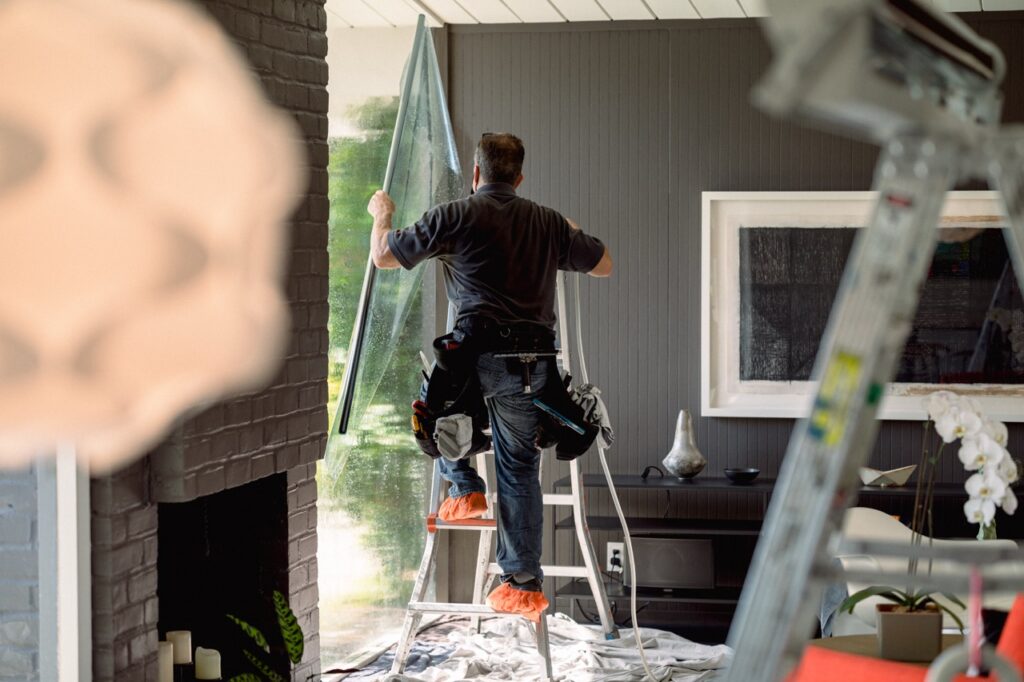
ClimatePro installs 3M Sun Control Window Film — one of the most effective and proven solutions for reducing solar heat gain without sacrificing your views or natural light. Here’s how it works and what it delivers:
97%Infrared heat rejection |
99.9%UV ray blockage |
~3 yrsTypical payback period2025–2026 |
One of the most popular films that we install in the Bay Area is the 3M Prestige Series. 3M Prestige uses non-metalized, multi-layer optical film and nanotechnology to block up to 97% of the sun’s infrared (heat-producing) light while still allowing natural light to fill the room. Unlike traditional reflective films or heavy tints, Prestige Series film won’t give your windows a dark, mirrored look — occupants can still enjoy clear views in and out.
The U.S. Department of Energy identifies window film as a top-tier energy conservation technology, with one of the fastest paybacks of any building upgrade — approximately three years. Building owners can save $1–$2 per square foot of film installed, or up to 19 kWh per square foot of glass annually.
Additional Energy-Saving Benefits of 3M Window Film
For commercial properties, the benefits extend beyond the utility bill. Consistent indoor temperatures mean HVAC systems run less frequently, reducing wear and extending equipment lifespan. Comfortable, glare-free workspaces improve tenant satisfaction and productivity. And the Prestige Series carries a 15-year commercial warranty — backed by 3M, a name in window film technology for more than 50 years.
Residential customers benefit too. 3M window film blocks the UV rays that fade hardwood floors, furniture, and artwork, protecting your interior investments while keeping rooms cooler in summer and better insulated in winter. Residential installs come with a lifetime limited warranty when professionally installed.
For Bay Area homeowners and business owners looking for an immediate, high-impact improvement, window film is one of the smartest investments available — no renovation required, no disruption to operations, and results you’ll feel from day one.
More Ways To Reduce Your Energy Costs In The Bay Area
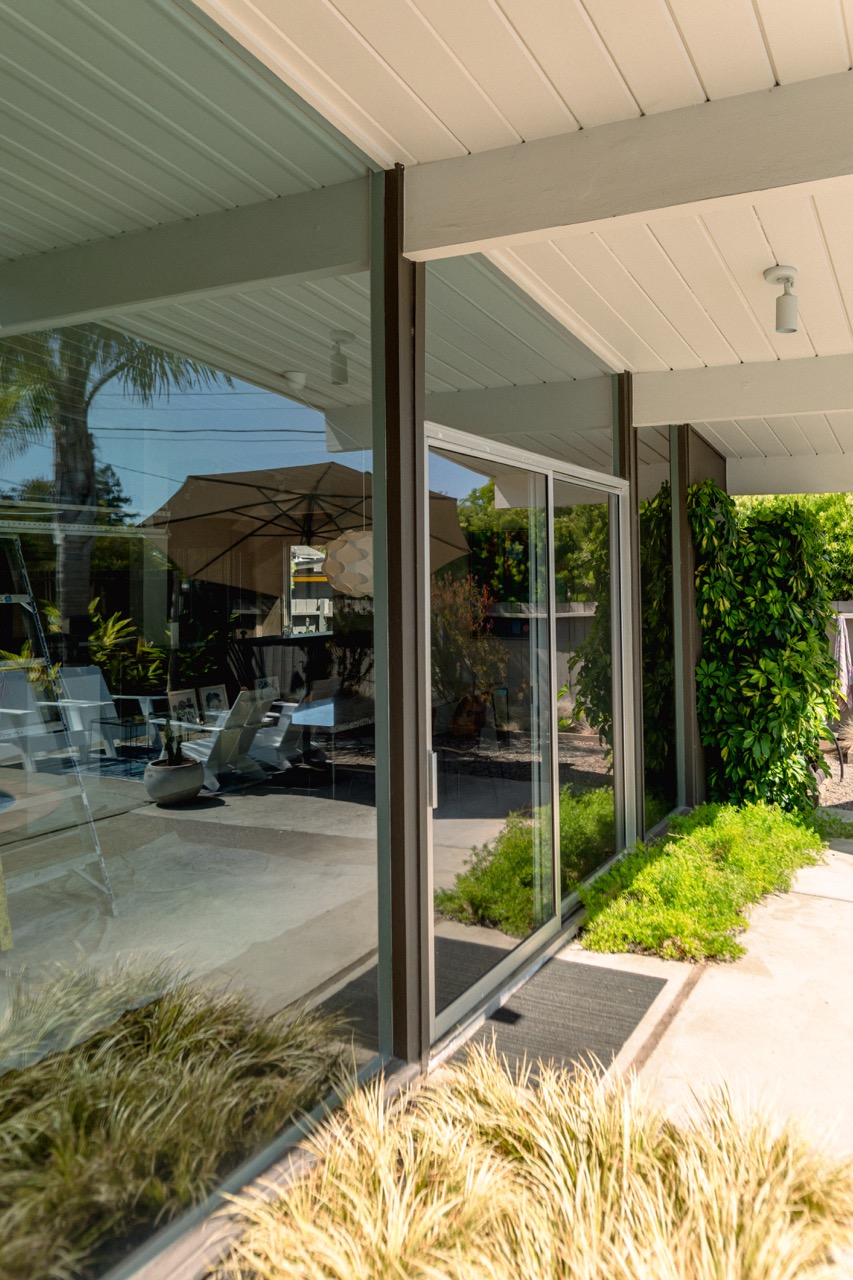
Window film is a powerful starting point, but it works best as part of a broader energy-efficiency approach. Here are other practical steps tailored to Bay Area conditions:
| 💡 Switch entirely to LEDs LED bulbs use 75–80% less energy than incandescent bulbs and generate far less heat, reducing both lighting and cooling costs. | 🔌 Shift loads off-peak Run dishwashers, laundry, and EV charging after 9 PM when PG&E’s time-of-use rates drop significantly. |
| 🏠 Seal and insulate Weatherstripping doors, sealing attic penetrations, and adding attic insulation can significantly reduce heating and cooling loads. | 🔧 Upgrade aging HVAC Systems over 10–12 years old operate at a fraction of modern efficiency. Heat pump upgrades often qualify for California rebates and federal tax credits. |
| ☀️ Go solar At 43¢/kWh, solar ROI in the Bay Area is among the best in the nation. A properly sized system can lock in your energy costs for 25+ years. | 🌡 Install a smart thermostat PG&E’s peak pricing windows (4–9 PM daily) are the most expensive hours. Pre-cool your space before peak hours kick in automatically. |
| 🪟 Add exterior shading Awnings, patio covers, and shade trees on south- and west-facing exposures reduce solar heat gain before it reaches your glass. | 📊 Enroll in CARE or FERA Income-qualified households can receive significant discounts on PG&E bills through California’s CARE and FERA assistance programs. |
Your Bay Area Energy-Saving Checklist
Use this guide to identify ways to make your home or office more energy-efficient.
WINDOWS & SOLAR CONTROL
- Install 3M Sun Control Window Film on south- and west-facing windows
- Add exterior shading (awnings, overhangs, or shade trees) on sun-exposed exposures
- Replace single-pane windows with double-pane (or add low-E film as a cost-effective alternative)
HEATING & COOLING
- Install a smart thermostat and program it to pre-cool before PG&E peak hours (4–9 PM)
- Schedule annual HVAC servicing and replace filters every 1–3 months
- Upgrade to a high-efficiency heat pump if the current system is 10+ years old
- Seal air leaks around doors, windows, and attic penetrations
LIGHTING & APPLIANCES
- Replace all remaining incandescent or CFL bulbs with LED bulbs
- Use smart power strips to eliminate standby power drain from electronics
- Upgrade to ENERGY STAR appliances when replacing a refrigerator, washer, or dishwasher
RATE OPTIMIZATION
- Switch to PG&E’s Time of Use rate plan and shift high-load tasks to off-peak hours.
- Schedule EV charging for after 9 PM to avoid peak pricing
- Check eligibility for CARE or FERA discount programs through PG&E
RENEWABLE ENERGY
- Get solar quotes from multiple vetted Bay Area installers and review payback projection.s
- Explore battery storage options to reduce grid dependence during the peak pricing window.ws
- Explore federal tax credits and California rebates for heat pumps and solar installations
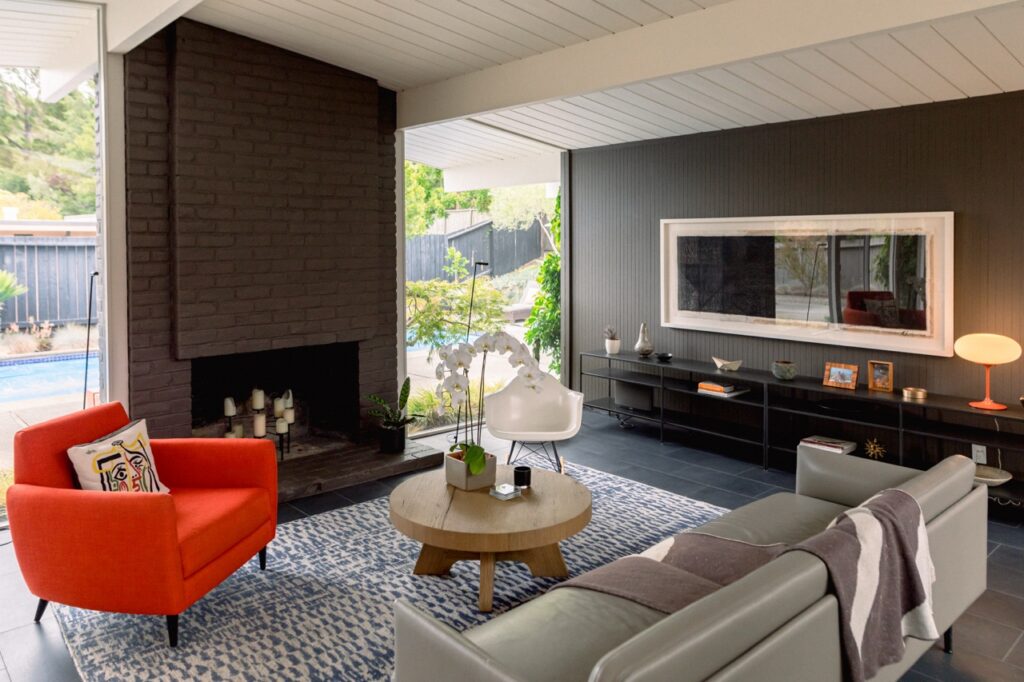
Ready to reduce solar heat gain and lower your energy bills? ClimatePro installs 3M Sun Control Window Film for homes and businesses throughout the Bay Area. Contact us for a free estimate at 707.755.7337 or get started online here.