

If you’re thinking about window film for your Bay Area home, you probably have a few questions. How much heat can 3M Window Film reduce? Will window film protect your furniture from fading? Is there a window film that can provide privacy at night? Does the film go on the inside or outside of the glass?
Unsurprisingly, the answer often depends on your windows and what you want the film to accomplish. We’ve covered many of these questions in detail on the ClimatePro blog. With over 45 years of experience, our team has helped thousands of homeowners find the answers to their questions and the right window film for their homes. Here are 10 of the most commonly asked questions about residential window film.
1. How Can I Make My Windows Private at Night?
Daytime privacy and nighttime privacy are two different challenges. Reflective window films can make it harder for people outside to see into your home during the day, but lighting conditions change after dark. If you’re looking for privacy in a bedroom, bathroom, living room, or another space at night, you’ll want to understand how different privacy solutions perform once the sun goes down. Our guide explains what happens after dark and which options can provide the level of privacy you’re looking for.
Read more: How to Make Your Windows Private at Night
2. Which 3M Window Film Provides the Best UV Protection?
UV exposure is a major concern for Bay Area homeowners. Have you noticed that your furniture, flooring, artwork, or fabrics are starting to fade? UV rays are usually the culprit. Window film can provide substantial UV protection, but different 3M films offer different combinations of UV protection, heat rejection, glare reduction, and visible light transmission. If protecting your home’s interior is a priority, it helps to understand how the available options compare before choosing a film.
Read more: The Best 3M Window Films for UV Protection
3. Is Clear UV Window Film Enough to Prevent Fading?
Clear window film can be appealing when you want to protect your interiors without noticeably changing the appearance of your windows. But fading is caused by more than one part of sunlight, so UV protection alone doesn’t tell the whole story. If you’re trying to protect hardwood floors, furniture, rugs, artwork, or other valuables from sun damage, there are several factors to look at before deciding whether a clear UV film is enough for your needs.
Read more: Is Clear UV Window Film Enough to Prevent Fading?
4. Does Window Film Go on the Inside or Outside of Windows?
Most homeowners assume window film is installed on the inside of the glass, but exterior installation can be the better approach for certain applications. The type of glass, window design, film, sun exposure, and installation conditions can all affect where the film should go. If you’re deciding between interior and exterior window film, our guide explains what you need to know before choosing an installation approach.
Read more: Does Window Film Go on the Interior or Exterior of Windows?
5. What Is the Best Window Film for Garage Windows?
Garage windows often have different needs than the windows throughout the rest of your home. You may want to reduce heat and glare, protect items from UV exposure, or prevent people outside from seeing what’s stored inside your garage. Privacy can be especially useful when garage windows face the street or neighboring properties. Our guide looks at the different types of window film that can be used in garages and the factors that can help determine which option fits your space.
Read more: The Best Window Film for Garage Windows
6. What’s the Difference Between One-Way Mirror Film and One-Way Window Glass?
One-way mirror film and one-way mirror glass can create a similar appearance, but they take very different approaches. One applies a film to your existing windows, while the other involves replacing the glass itself. There are differences in cost, installation, flexibility, and how each solution works that are worth understanding before making a decision. Our guide breaks down the two options and explains what homeowners should know about each one.
Read more: What’s the Difference Between One-Way Mirror Film and One-Way Window Glass?
7. Will Window Film Hurt My Houseplants?
If you have plants near your windows, you may wonder whether adding window film will reduce the light they need to grow. That concern is understandable, particularly when you’re considering solar control film designed to reduce heat and glare. Different films allow different amounts of visible light through the glass, so the answer isn’t as simple as choosing between film and no film. Our guide looks at what homeowners with houseplants should know before installing window film.
Read more: Will Window Film Kill My Houseplants? A Guide for Bay Area Plant Lovers
8. What Is the Best Window Film for Skylights?
Skylights can fill a room with natural light, but they can bring in plenty of heat, glare, and UV exposure too. Window film can be an option for improving comfort and protecting the interior without replacing the skylight. Skylights also present different installation considerations than standard vertical windows. Our guide covers the types of film homeowners should consider and what to know before putting film on overhead glass.
Read more: What Is the Best Window Film for Skylights?
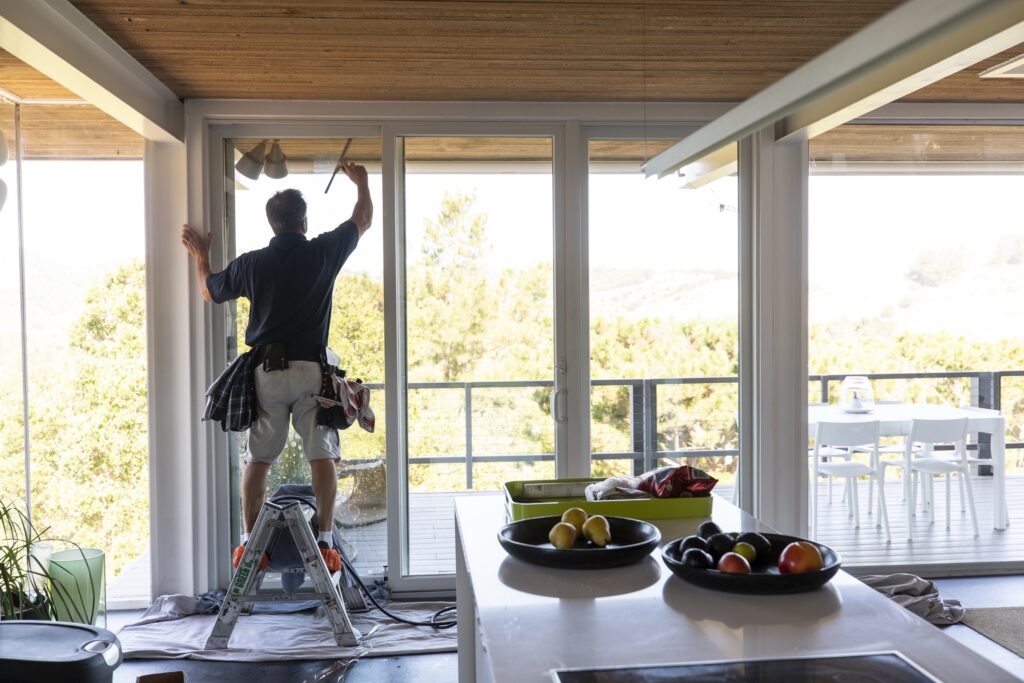
9. What’s the Difference Between Etched Glass and Frosted Window Film?
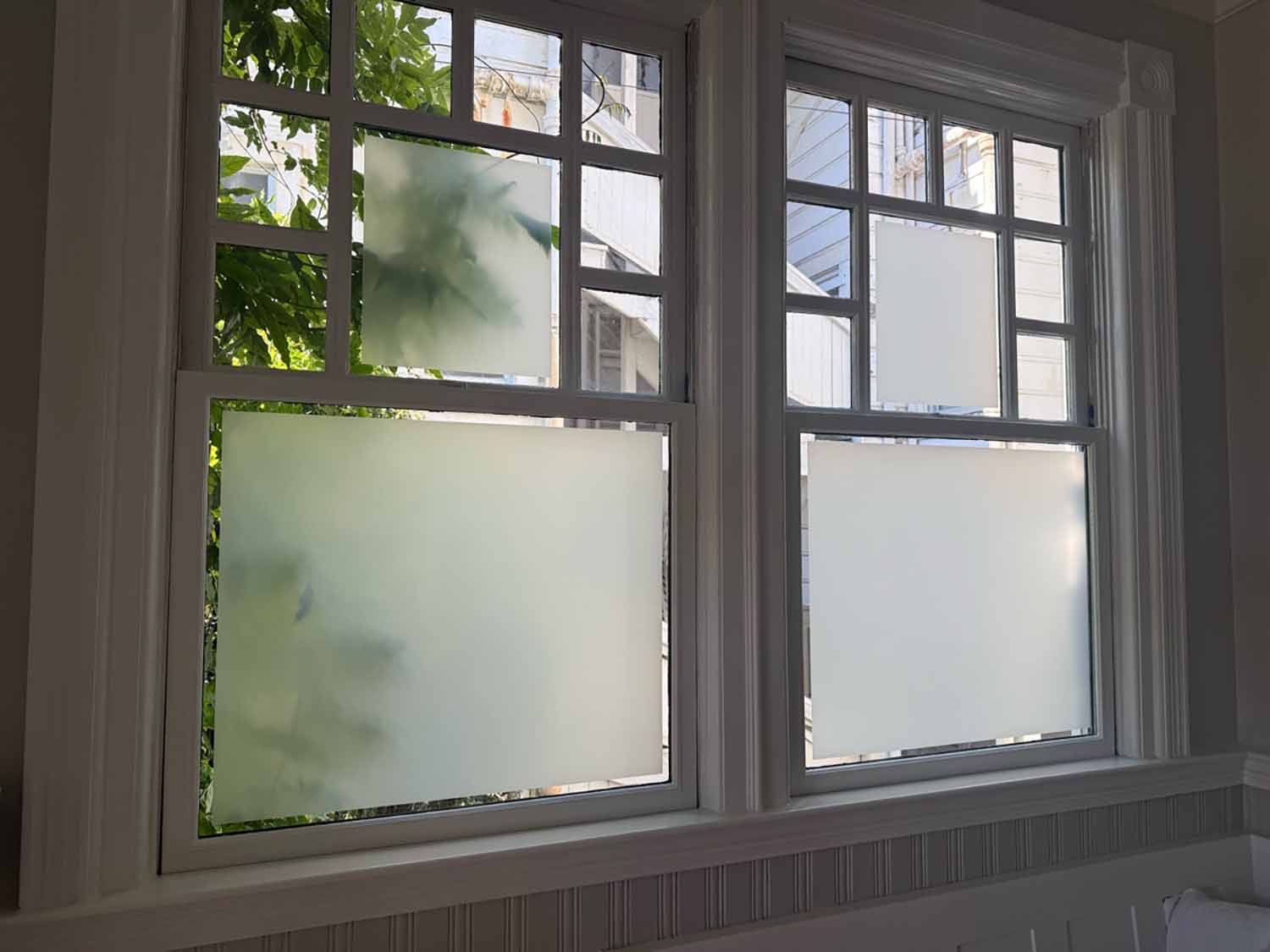
Etched glass and frosted window film can give you a similar privacy-focused appearance, but the way they achieve that look is very different. Etched glass permanently alters the glass, while frosted film can be applied to your existing windows and changed later. That difference can affect the cost, installation process, appearance, and flexibility of your project. Our guide compares the two options so you can decide which approach makes more sense for your home.
Read more: Etched Glass vs. Frosted Window Film: What’s the Difference?
10. What Problems Can Window Film Cause?
Window film can solve problems with heat, glare, privacy, and UV exposure, but homeowners sometimes have concerns about bubbling, peeling, discoloration, signal interference, or other issues. Some problems come from choosing the wrong film for a particular window, while others can be related to installation or maintenance. Knowing what can go wrong can help you ask better questions and make a more informed choice before your film is installed.
Read more: 5 Problems With Window Film
Still Have Questions About Window Film?
While the ClimatePro blog covers the 10 most popular questions we receive from customer, you may have questions that are not included here. Feel free to give us a call at 707.755.7337 and we’ll be glad to answer your questions about window film. If you’re ready to transform your windows today, get started online for free here or give us a call at the aforementioned number. With over 45+ years of experience and the most 5-star reivews in the Bay Area, ClimatePro can help you compare film options and find a solution that fits your home.